Written By Frida Pigny
Indonesia is known for its vibrant culture and breathtaking landscapes. But beneath the surface, entrepreneurs face a stark reality: dealing with ‘pungli’ (illegal levies), the influence of preman (local strongmen), and a complex socio-religious environment that often prioritizes outward appearances over contribution.
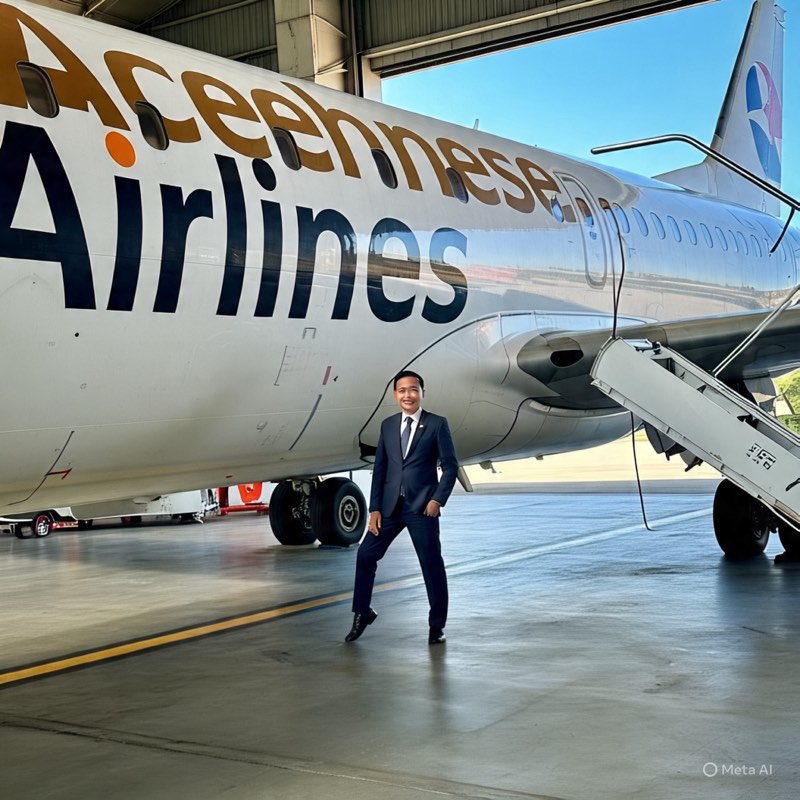
In the 2024 Transparency International Corruption Perception Index, released in February 2025, Indonesia ranked 99th out of 180 countries, scoring 37 out of 100. This low ranking underscores a persistent struggle with corruption, creating significant challenges for entrepreneurs like Iskandar, the Acehnese founder of Indonesia Airlines, who is launching a premium airline. Not from Jakarta. Not from Aceh. But from Singapore.


The reason is clear. In Singapore, success is determined by competence, not connections. Entrepreneurs can focus on growing their businesses instead of navigating bureaucratic roadblocks or paying unofficial fees.
It is no surprise that talented individuals like Iskandar choose to establish their ventures elsewhere, as Indonesia’s current system stifles innovation rather than nurturing it. His decision highlights a deeper systemic failure. Diversity is preached, but individuality is punished. Entrepreneurship is encouraged, yet bureaucracy and corruption make it nearly impossible to thrive.
I understand these challenges personally. After a decade in South Korea, I returned to Aceh, expecting a society focused on education and economic growth. Instead, I found a culture fixated on hemlines and religious performance as a measure of one’s worth.



I am half-Acehnese, half-Chinese. As a Muslim who chooses not to wear a hijab, I have faced relentless scrutiny. In Aceh, contributions to society often matter less than adherence to visible religious conformity. This obsession with appearance extends far beyond personal identity; it affects national progress.
Take Audrey Yu, a brilliant young Indonesian-Chinese woman. She dreamed of serving Indonesia in the military but was rejected, not because she lacked qualifications, but because she was ‘too young.’ She applied to one of Indonesia’s top universities and was turned away. Meanwhile, the United States welcomed her with open arms. Many Indonesians even told her she ‘didn’t deserve to be Indonesian.’ I have heard similar sentiments about myself. Some claim I “don’t deserve to be Acehnese” simply because I do not wear a hijab.
When society prioritizes religious performance over real ability, the nation loses its best talent. Even responses to my opinion pieces for local newspapers reflect this mindset. Some readers say they would be prouder of me if I wore a hijab, while others hope I will one day find the ‘courage and sincerity’ to do so. When religion is reduced to a public appearance, competence and genuine contributions are overlooked. A society that prioritizes clothing over capability cannot move forward.
To break this cycle and create an environment where entrepreneurs, professionals, and thinkers can thrive, concrete reforms must take place. First, Indonesia should optimize its existing digital infrastructure, such as LPSE (Layanan Pengadaan Secara Elektronik). Imagine a ‘Transparency Tracker’ integrated into every transaction, where bids, contracts, and payments are audited in real-time and made publicly accessible. Just as a teacher provides regular progress reports, every step of public procurement should be visible. This isn’t about building a new system but refining the ones already in place to make corruption structurally impossible.
Second, Indonesia must shift from performative piety to real competence. It is ironic that while Indonesia prides itself on Bhinneka Tunggal Ika, Malaysia, an officially Islamic nation, often demonstrates greater inclusivity. True leadership values skills, innovation, and productivity over appearances. If future leaders are to emerge, they must be instilled with critical thinking, problem-solving, and real value creation, not just conformity.
Third, informal power structures should be replaced with transparent business hubs, following South Korea’s model. Centers like Pangyo Techno Valley and Seoul Startup Hub provide legal protection, funding, and streamlined licensing, allowing entrepreneurs to grow without bureaucratic obstacles or preman influence. Adopting a similar approach would empower Indonesia’s startups through accessibility, accountability, and opportunity.
Fourth, Aceh must rebrand itself as a center of innovation and economic opportunity, not just religious conservatism. The UAE has shown that a region can uphold cultural values while attracting global business. If Aceh embraces this mindset, it can position itself as a gateway for investment and talent rather than a place known only for restrictions.
Talented Indonesians should not have to leave their own country to succeed. Policies like shutting down eateries during Ramadan expose how fragile the nation’s approach to diversity is. True faith is not about enforcement but about fostering an environment where people can practice their beliefs without coercion.
Too often, Islam is reduced to rigid rules rather than the values it embodies such as integrity, fairness, and progress. This disconnect between being Muslim and living Islam holds Indonesia back.
Indonesia must decide whether to be a gateway to progress or a graveyard for potential. Aceh must choose whether to rise as a hub of opportunity or remain trapped in outdated mindsets. Digital transparency, merit-based advancement, and community-driven entrepreneurship are essential. That is how the nation reclaims its best minds, moves beyond pungli, restrictive control, and judgment based on religious appearances.
Dr. Azyumardi Azra once said, “Indonesia’s challenge is to turn Pancasila’s ideology of unity in diversity into concrete policies that promote inclusivity.” But inclusivity remains hollow when people like Iskandar seek opportunity elsewhere.
Indonesia must be a nation where success is determined by contributions, not simply by what one wears. It must evolve. Only then will it become a land of real opportunity. Only then will it reclaim its place on the global stage. And only then will entrepreneurs like Iskandar return, choosing to invest in the land of their birth. (*)

Connect with Frida on Instagram: @Frida.Pigny
🔥 5 Artikel Terbanyak Dibaca Minggu Ini