

By ; Siti Hajar
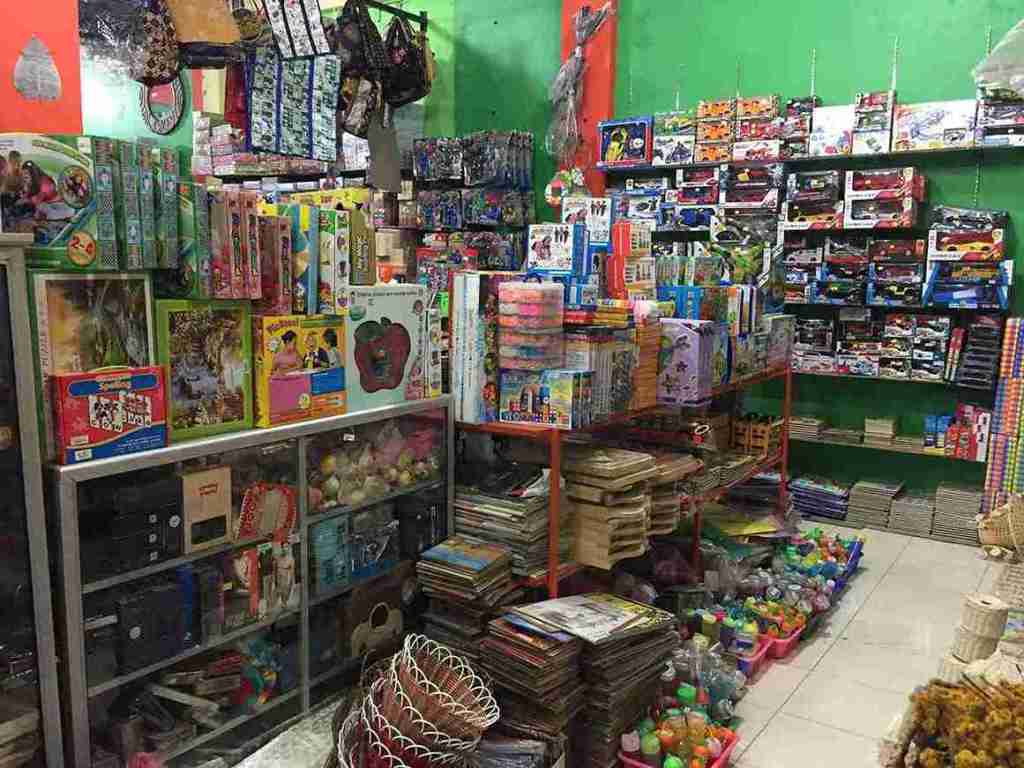
“Mom, please prepare two portions of dimsum for my school supplies,” said Karina to her mom, Amira.
“Hey, sweetheart, you just woke up?” Amira responded, smiling warmly as she stirred the special fried rice with shrimp she was cooking. Amira glanced at her daughter, a third grader at an Islamic elementary school, and asked, “Have you prayed?”
Karina didn’t answer immediately, but Amira’s priority was clear—prayer came first before anything else in the morning.
“Absolutely, I did, Mom,” Karina finally replied.
“Masya Allah, you’re such a good Muslimah, Karina. How lucky I am to have you. You’re pretty, smart, and diligent in your worship,” Amira said, her eyes filled with pride. “Now, Mommy wants to ask you, why do you need extra school supplies?”
“Mom, I have a new classmate,” Karina answered.

“Oh, really? That’s nice. What’s her name?”
“Her name is Dianda Fahira,” Karina said with a smile. “I Called her Dianda.”
“She has a lovely name, doesn’t she?”
“Yes, Mom. She’s cute and friendly. I like her, but…” Karina suddenly stopped mid-sentence.
“But what, sweetheart? What’s going on with Dianda?” Amira moved closer to her daughter, sensing something was bothering her.
Karina hesitated for a moment before saying, “Mom, can I tell you about it later?”
“Of course, dear,” Amira replied, although she felt there might be something troubling about Dianda.
Afterward, Karina took a bath, put on her uniform, and prepared herself to go to school earlier than usual. Thirty minutes later, she was ready, holding the lunchbox her mom had prepared, and left for school with her dad.
When Karina arrived at school, she saw Dianda sitting alone on a bench in the school park.
“Hi, Dianda,” Karina greeted her cheerfully.
“Hi, Karina,” Dianda responded weakly.
“Are you okay?” Karina noticed something was wrong with Dianda. She seemed unwell.
“Yes, Karina,” Dianda said softly. Karina sat down beside her,concern etched on her face.
“Did you have breakfast this morning?” Karina asked.
“Um…” Dianda mumbled incoherently.



Suddenly, Wira, one of their classmates, approached and stood in front of them.
“Dianda, I bet you didn’t have breakfast, did you?” Wira said mockingly.
“How… how do you know?” Dianda asked hesitantly.
“I know because your mom asked my mom for rice and money,” Wira replied with a smirk.
Dianda fell silent and quietly got up to head to the classroom.
Wira called out after her, “You guys just moved here because you were too poor in your old village, right?” He continued to mock her, loud enough for others to hear.
Karina stood up, anger flashing in her eyes. “Stop it, Wira! Why do you have to bully Dianda?”
But Wira ignored her. Some of their classmates who had gathered around remained silent, while others joined Wira in mocking Dianda. “Look at her clothes, so shabby,” one of them said. “Even her shoes are falling apart,” another added.
Karina felt a pang of sadness as she heard the cruel words directed at her friend. To break the tension, she took out the lunchbox her mom had prepared and offered some dim sum to Dianda. “Here, Dianda. My mom made this for us. I brought extra today.”
Dianda hesitated for a moment but then accepted it with a shy smile. “Thank you, Karina,” she said softly. She was genuinely hungry, as she hadn’t eaten since the night before.
One day, Karina shared everything about Dianda with her mother. Amira, Karina’s mom, felt heartbroken upon hearing Dianda’s situation. Moved by compassion, Amira decided to visit Dianda’s mother and offered her help to set up a small snack and cake shop. Together, they worked to make it happen, bringing new hope to Dianda’s family.
As the days went by, Karina and Dianda’s friendship grew stronger. Despite the teasing and challenges, they supported each other. One day, Dianda went home and asked her mother, “Mom, can we buy matching lunchboxes like Karina’s? I want to bring food from home too.”
Her mom, who had recently opened a small cake shop and was earning enough money, smiled warmly. “Of course, sweetheart. You can bring your own lunch to school now.”

From then on, Dianda began bringing her own meals and even shared them with Karina as a way to show her gratitude. Their bond grew even deeper.
At the end of the semester, during the report card distribution, both Karina and Dianda achieved excellent grades, ranking at the top of their class. Meanwhile, Wira, who had spent more time mocking others than studying, found himself falling behind and needing to catch up.
Seeing Dianda’s success, Wira’s mom scolded him gently, “Wira, you need to learn to respect others. Never judge someone by their background or appearance.”
Karina and Dianda’s friendship became an example for their classmates—a testament that true friendship isn’t defined by wealth or status, but by kindness, support, and the willingness to inspire each other to be better.
🔥 5 Artikel Terbanyak Dibaca Minggu Ini