• Latest
Predatory States and Silenced Voices: Reflections on the UN Forum on Minority Issues in Geneva

Predatory States and Silenced Voices: Reflections on the UN Forum on Minority Issues in Geneva

November 30, 2025
0531533e-b691-47af-a72c-150e25a07ee5

Di Dalam Gelap, Ada Ibu

Maret 30, 2026
20362b6b-fe28-40ff-a0c0-c08280e7bbff

Indonesia, Mundurlah dari Dewan Perdamaian Trump: 175 Siswi Tewas

Maret 30, 2026
IMG_0542

Jejak Darah di Terbangan: Kematian Letnan Satu Molenaar alias Kapitan Lhoknga dan Perlawanan Rakyat Aceh Selatan

Maret 30, 2026
IMG_0518

Mencari Akar Sejarah Nama Manggeng

Maret 29, 2026
IMG_0541

Rina

Maret 29, 2026
76c605df-1b07-40f1-ab7e-189b529b4818

Filosofi Ketupat

Maret 29, 2026
96c3f2f0-9b1a-4f4e-8d0d-096b123c0888

Ramadhan di Negeri Seberang,  Membangun Komunikasi Lintas Negara

Maret 29, 2026
ae400032-4021-4ade-8568-70d981b74d63

Ancu Dani, Juru Kunci TPS

Maret 29, 2026
  • Home
  • Artikel
  • POTRET Budaya
  • Literasi
  • Edukasi
  • Pendidikan
  • Puisi
  • Esai
  • Opini
  • Penulis
  • Kirim Naskah
No Result
View All Result
SAVED POSTS
AI News
  • Home
  • Artikel
  • POTRET Budaya
  • Literasi
  • Edukasi
  • Pendidikan
  • Puisi
  • Esai
  • Opini
  • Penulis
  • Kirim Naskah
No Result
View All Result
POTRET
No Result
View All Result

Predatory States and Silenced Voices: Reflections on the UN Forum on Minority Issues in Geneva

Dr. Al Chaidar Abdurrahman Puteh, M.Si by Dr. Al Chaidar Abdurrahman Puteh, M.Si
November 30, 2025
in English Article, English Corner
Reading Time: 3 mins read
0
Predatory States and Silenced Voices: Reflections on the UN Forum on Minority Issues in Geneva
600
SHARES
3.3k
VIEWS
Summarize with ChatGPTShare to Facebook

By Dr. Al Chaidar Abdurrahman Puteh
Department of Anthropology, Malikussaleh University, Lhokseumawe, Aceh

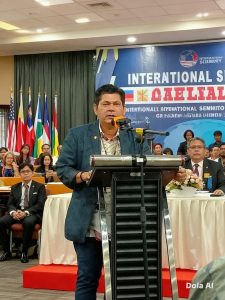
The UN Forum on Minority Issues in Geneva in November 2025 offered a rare window into the lived realities of marginalized communities across the globe. Over two days and four sessions, minority representatives confronted state delegations with testimonies of discrimination, dispossession, and violence.

The forum’s theme, “The Contribution of Minorities to Diverse, Resilient, and Peaceful Societies,” was aspirational, but the voices of Kurds, Yazidis, Uyghurs, Rohingya, Malay Pattani, and Acehnese delegates revealed how states often fail to protect minorities, instead acting as predators toward those who are small in number, poor in resources, and politically powerless.


Baca Juga

Awakening the Soul in Ramadhan

Februari 17, 2026

AIU and Its Mission to Serve Humanity

Desember 14, 2025

Echoes of a Lost Justice

Desember 13, 2025


Ann Laura Stoler’s work provides a powerful theoretical lens to interpret these dynamics. In Capitalism and Confrontation in Sumatra’s Plantation Belt, 1870–1979 (1985), Stoler documented how colonial and postcolonial regimes in Indonesia used economic exploitation and plantation systems to discipline and marginalize local populations.


Her later work, Along the Archival Grain: Epistemic Anxieties and Colonial Common Sense (2009), explored how states construct knowledge and bureaucratic practices that normalize domination. Together, these works illuminate the concept of the “affective state”—a state that mobilizes emotions, care, and intimacy not to nurture its citizens, but to control, discipline, and prey upon them.


The “affective state” is not neutral. It operates through selective recognition and denial, deciding whose suffering counts and whose does not. In theory, the state embodies protection and responsibility; in practice, it often weaponizes affect to justify exclusion and exploitation. This was evident in Geneva, where exiled minority organizations challenged governments that claim to be guardians of unity but in reality perpetuate structural violence.


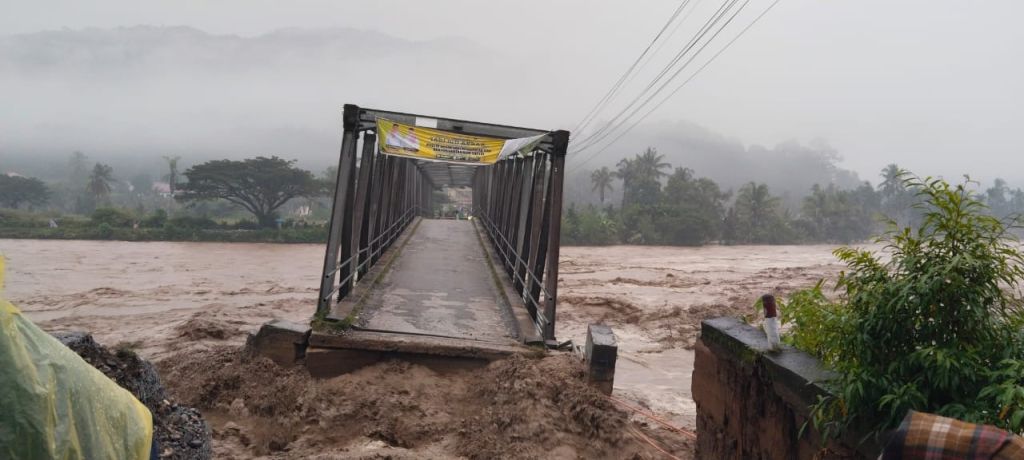
The case of Aceh exemplifies this paradox. Aceh’s forests have been stripped for palm oil plantations, a policy linked to directives from figures such as former forestry minister Zulkifli Hasan. This ecological exploitation has left Aceh vulnerable to floods, landslides, and earthquakes. When disasters strike—washing away homes, severing bridges, and destroying roads—the devastation is immense.

Yet the central government refuses to classify these events as national disasters, dismissing them as local problems. Aceh’s natural wealth is treated as national revenue, but its suffering is denied recognition. This refusal reflects the predatory logic of the affective state: extracting value from minorities while withholding care when they are most vulnerable.


In Geneva, Acehnese representatives joined others in exposing these contradictions. Just as the Rohingya spoke of statelessness, the Uyghurs of cultural erasure, and the Yazidis of genocide, Aceh’s testimony highlighted ecological exploitation and discriminatory disaster response as forms of structural violence. These interventions challenged the polished rhetoric of state representatives, revealing the gap between official narratives and lived realities.


The forum underscored that minority issues are not peripheral but central to the pursuit of justice and peace. It reminded us that the state, far from being a neutral arbiter, is often an affective predator—mobilizing care selectively, disciplining through neglect, and silencing through bureaucratic denial.

Stoler’s insights help us see that the durability of such predatory governance lies not only in material exploitation but also in the affective structures that normalize inequality.


For me, following the forum online was a deeply reflective experience. It was not merely an academic exercise but a reminder of the urgent need to rethink the role of the state in relation to minorities. If the state continues to act as predator rather than protector, then international platforms like the UN Forum become essential sanctuaries for truth-telling and solidarity.

They remind us that the struggle of marginalized communities is not isolated but interconnected, and that global attention is a necessary counterweight to local silencing.


Following the sessions online, I was struck by the courage of minority advocates who dared to confront states in an international arena. Their voices reaffirmed that forums like Geneva are vital sanctuaries where the silenced can speak, and where the world is challenged to listen. Until states transform from instruments of domination into genuine guarantors of dignity, these spaces remain essential for truth-telling and solidarity.

🔥 5 Artikel Terbanyak Dibaca Minggu Ini

Gemerlap Aceh, Menelusuri Emperom dan Menyibak Goheng
18 Jun 2025 • 337x dibaca (7 hari)
Batu Gajah Hilang di Bate Iliek
23 Mar 2026 • 298x dibaca (7 hari)
Aceh Hijau atau Aceh Gundul?
12 Mar 2026 • 248x dibaca (7 hari)
Membuka Tabir Sejarah Kenegerian Manggeng dan Para Raja yang  Pernah Berkuasa
27 Mar 2026 • 238x dibaca (7 hari)
Memutus Rantai Kemiskinan, Melawan Kufur Etika
20 Mar 2026 • 192x dibaca (7 hari)
ADVERTISEMENT
📝
Tanggung Jawab Konten
Seluruh isi dan opini dalam artikel ini merupakan tanggung jawab penulis. Redaksi bertugas menyunting tulisan tanpa mengubah subtansi dan maksud yang ingin disampaikan.
SummarizeShare240Tweet150
Dr. Al Chaidar Abdurrahman Puteh, M.Si

Dr. Al Chaidar Abdurrahman Puteh, M.Si

Dr. Al Chaidar Abdurrahman Puteh, M.Si., adalah seorang akademisi dan peneliti yang memiliki keahlian di bidang antropologi, dengan fokus utama pada antropologi politik dan agama. Beliau saat ini aktif sebagai dosen di Universitas Malikussaleh, yang berlokasi di Lhokseumawe, Aceh. Selain mengajar, Dr. Al Chaidar juga aktif melakukan penelitian dan seringkali diundang sebagai narasumber atau pengamat untuk berbagai isu sosial, politik, dan keagamaan, terutama yang berkaitan dengan konteks Aceh dan Indonesia secara luas. Kontribusinya dalam pengembangan ilmu antropologi dan pemahaman isu-isu kontemporer di Indonesia sangat signifikan melalui karya-karya ilmiah dan keterlibatannya dalam diskusi publik.

Baca Juga

0531533e-b691-47af-a72c-150e25a07ee5
Puisi

Di Dalam Gelap, Ada Ibu

Maret 30, 2026
20362b6b-fe28-40ff-a0c0-c08280e7bbff
# Kebijakan Trump

Indonesia, Mundurlah dari Dewan Perdamaian Trump: 175 Siswi Tewas

Maret 30, 2026
IMG_0542
Artikel

Jejak Darah di Terbangan: Kematian Letnan Satu Molenaar alias Kapitan Lhoknga dan Perlawanan Rakyat Aceh Selatan

Maret 30, 2026
IMG_0518
Artikel

Mencari Akar Sejarah Nama Manggeng

Maret 29, 2026
Next Post

Man’s Endless Hunger for Power and Wealth

HABA Mangat

Lomba Menulis Agustus 2025

Juli 31, 2025

Tema Lomba Menulis Edisi Februari 2026

Februari 17, 2026

Popular

  • Gemerlap Aceh, Menelusuri Emperom dan Menyibak Goheng

    Gemerlap Aceh, Menelusuri Emperom dan Menyibak Goheng

    886 shares
    Share 354 Tweet 222
  • Inilah Situs Menulis Artikel dibayar

    872 shares
    Share 349 Tweet 218
  • Peran Coaching Kepala Sekolah dalam Meningkatkan Kualitas Pendidikan

    840 shares
    Share 336 Tweet 210
  • Korupsi Sebagai Jalur Karier di Konoha?

    680 shares
    Share 272 Tweet 170
  • Lomba Menulis Agustus 2025

    671 shares
    Share 268 Tweet 168
POTRET Online

© 2026 potretonline.com

  • Program 1000 Sepeda dan Kursi roda
  • Tentang Kami
  • Redaksi
  • Al-Qur’an
  • Kirim Naskah
  • Penulis

Welcome Back!

Login to your account below

Forgotten Password? Sign Up

Create New Account!

Fill the forms below to register

All fields are required. Log In

Retrieve your password

Please enter your username or email address to reset your password.

Log In
No Result
View All Result
  • Home
  • Artikel
  • Pendidikan
  • Logout
  • Opini
  • Essay
  • Politik
  • PODCAST
  • Penulis
  • Kirim Naskah

© 2026 potretonline.com